AC Repair in Gilbert AZ: Signs Your Air Conditioner Needs Repair Before It Breaks Down in Summer
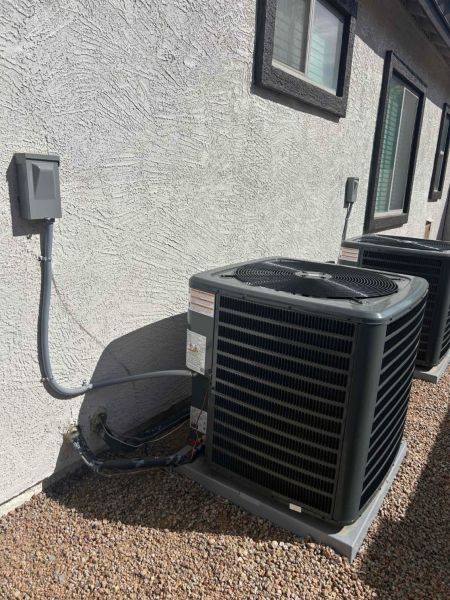
When summer hits Gilbert AZ, small AC problems turn big fast. Spotting issues early and scheduling professional AC repair can keep your home comfortable and help you avoid a total shutdown during the first real heat wave.
If you are searching for AC repair in Gilbert AZ, you already know how quickly a minor rattle or weak airflow can turn into a no-cooling emergency. Below are the most common warning signs we see across neighborhoods like Agritopia, Seville, Val Vista Lakes, Power Ranch, and Cooley Station, plus what to do next with Valleywide Cooling.
Why Catch Problems Early In Gilbert AZ
In our dry desert climate, long run times and dust from monsoon storms can stress your air conditioner. That stress often shows up weeks before a full failure. Acting now usually means a simpler fix, fewer sweaty nights, and a system that lasts longer.
- Prevent a midsummer breakdown when appointment times fill up fast
- Protect your comfort during 100-plus degree streaks
- Stop small parts issues from damaging the compressor or blower
Top AC Repair Signs In Gilbert AZ Homes
1) Warm Air From the Vents
If the thermostat is set to cool but the air feels lukewarm, the system could have a refrigerant issue, airflow restriction, or a problem with the outdoor unit. Do not keep running it and hope it improves. Pro attention prevents further damage.
2) Weak or Uneven Airflow
Rooms far from the air handler, like second-floor bedrooms in Seville or back rooms in Power Ranch, may get less air when the blower motor is struggling or the coil is impacted by dust. A pro can measure static pressure and find the restriction quickly.
3) Unusual Sounds: Grinding, Squealing, Rattling
New noises are your system asking for help. Loose hardware, failing bearings, or a blower wheel out of balance will not fix themselves. **Turn the system off if a metal-on-metal sound starts**, then call for a diagnosis.
4) Higher Electric Bills Without Extra Use
When parts wear or airflow drops, your AC works longer to reach the same setpoint. If your bill jumps from one cycle to the next and your household habits did not change, that is a strong early sign of a developing issue.
5) Frequent Cycling or Very Long Runs
Short cycling can be caused by a control problem or airflow restrictions. On the other end, runs that never end may point to a refrigerant or capacity problem. Either way, efficiency and comfort suffer until a tech corrects the cause.
6) Hot and Cold Spots Around the House
Temperature swings between rooms often trace back to airflow balance, a weakening blower, or a coil starting to frost. A quick system check can restore even cooling throughout your home.
7) New or Strong Odors
A musty smell can signal moisture around the coil or drain. A burning or electrical odor is urgent. **If you smell burning, switch the AC off and call a licensed HVAC technician immediately.** Safety first.
8) Water Near the Air Handler or Ice on Lines
Condensate clogs create leaks that damage ceilings and floors. Ice on refrigerant lines points to low airflow or refrigerant problems. **Do not chip away ice or keep running a frozen system**, since that can harm the compressor.
9) Thermostat Reading That Does Not Match the Room
If your thermostat says 75 but your rooms feel warmer, sensors or placement may be off, or the system is losing capacity. A pro can calibrate and confirm actual performance.
10) Breakers Tripping
AC breakers trip to protect wiring and motors. Repeated trips are a red flag. **Do not keep resetting a tripped breaker.** Call for service so an electrician-grade inspection can find the root cause inside the unit.
What To Do When You Notice A Symptom
Skip DIY fixes that risk damage. Instead, make a quick note of what you hear, smell, or feel and when it started. Then schedule trusted help with Valleywide Cooling. An experienced technician will inspect the system, verify airflow, test electrical components, and document findings so you can decide with confidence.
How Professionals Pinpoint the Problem
During a diagnostic visit, your technician looks at the whole system, not just a single part. That is how we catch the real cause the first time and help you avoid repeat visits.
- Airflow and static pressure tests to pinpoint restrictions or duct issues
- Electrical checks of capacitors, motors, contactors, and controls
- Refrigerant measurements to confirm proper charge and cooling performance
- Coil and drain inspections to prevent leaks and moisture damage
If the inspection shows a repair can restore strong cooling, we will explain the fix and timeline so you can plan around the Gilbert heat. When signs suggest repeated breakdowns ahead, we also review options and next steps.
Repair Today Or Replace Soon?
Some systems are near the end of their useful life or have major issues that make frequent failures likely. If your AC has needed multiple recent repairs or comfort is still poor after service, it may be time to consider an upgrade. Explore your options for a right-sized, high-efficiency solution on our air conditioning installation page, and talk with a pro about what fits your home and usage.
Local Clues Gilbert Homeowners Often Miss
Our desert environment creates a few special hints that your AC needs help. After a dust storm, reduced airflow can mean impacted coils. During long heat streaks, a unit that once cooled fine at night but now falls behind at sunset may have a weakening capacitor or airflow loss. Homes with upstairs bonus rooms in Agritopia and Cooley Station often expose early blower issues because those rooms are hardest to cool.
When these local patterns show up, getting timely AC repair avoids a full failure on the hottest weekend. That quick visit can also keep your electric bill from creeping higher with every cycle.
Simple Rules To Protect Your System
You do not need to troubleshoot. Follow these common-sense rules and let a pro handle the rest:
- If you hear grinding, squealing, or smell burning, power the AC off and call.
- If airflow drops or air turns warm, avoid long run times until a tech inspects it.
- After monsoon dust, watch for new noises, longer cycles, or water near the air handler.
Taking action at the first warning sign helps you avoid bigger repairs during peak summer heat. It also supports a longer system life and steadier comfort for your family.
Ready To Stay Cool In Gilbert AZ?
Do not wait for a no-cool emergency in July. If you have noticed any of these signs, schedule service with Valleywide Cooling today. You can start with our air conditioner repair page, or call us now at 480-439-9999 to get on the schedule before the next heat wave.
Whether you live in Val Vista Lakes, Power Ranch, or near the Heritage District, our licensed HVAC team will diagnose the issue, explain options in clear language, and restore reliable cooling. For homeowners planning ahead, explore upgrade paths on air conditioning installation and see how the right system can improve comfort and efficiency throughout the hottest months.
Staying ahead of problems is the easiest way to stay comfortable. When your senses tell you something is off, trust them and call Valleywide Cooling. We are here to help you beat the heat in Gilbert AZ with expert service and honest guidance.

Stay Comfortable Year-Round Book Valleywide Cooling for Your Heating and Cooling Needs In Gilbert!